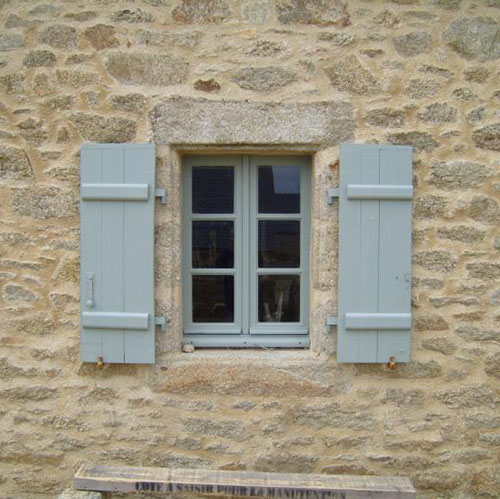
Maree had tried booking online but found the websites impossible. It seemed all the hotels in Venice offered TV and internet and newspapers—there was no way to filter these ones out. In the end, Nick stepped in, reserving two nights at a modest hotel that had once been a convent. Maree pleaded, questioning whether the free wi-fi was necessary, but accepted that her son probably wanted to stay in touch with his wife. At the airport, Nick signed for the hire car they’d park on the edge of the island city. Maree glanced at the bill but said nothing; a lot of money for a car to sit in a garage all weekend.
None of them had been to Venice. After wandering the square twice, they saw their hotel tucked in a corner: the correct number, the heavy wooden door. Beside the hinges were nameplates—Ferrera. Ricci. Pugliesi. Snyder—each with a button for pressing.
In the bedroom, Maree turned over the pink bedspread. The afternoon sun was mid-autumnal and anæmic, and the burgundy wallpaper was printed with tightly twisting roses. The whole effect was bloody, almost intestinal. She lifted a Virgin Mary statue, opened a drawer and shut the object inside. Of course she’d hold Nick responsible for this place.
She watched her husband, Ged, crawl onto the bed and lie face down. He’d sleep the afternoon away, here in this odd place in San Marco, and she’d wake him before dinner. His appetite was low. The university’s statement on the matter was less than 72 hours away. Their lawyer recommended this weekend of distraction but said to be back in London by Monday.
Nick came to the open door and knocked.
‘There’s a smell,’ Maree told him.
She wore a denim button-down shirt over slim black pants and black flats, a fine gold chain around her neck, maroon lipstick, and heavy earrings that Ged’s parents had given her years ago. She felt wrung out and sweaty, so she picked up her wash bag and moved towards the bathroom. Pipes shuddered and the whole place seemed to rock, but she didn’t say a word about it. An upmarket chain hotel is what she would have chosen, but it was done now. She and Nick hadn’t spoken about Ged or his problems at the university at all.
After dinner, which they had at eight o’clock in a narrow restaurant where the waiters were attentive but laughed loudly at things they couldn’t see, Ged left for the bathroom. He had a bald spot on the top of his head, called it his solar panel, never tried to hide it. His lack of vanity surprised women, warmed them to him. He was gruff when ordering, never more than a please or thank you. Yet waiters turned with their pencils to him first.
Nick wasn’t fooled. He watched his father—the old man’s fingers gripping the pale brick walls at the back of the restaurant—and wondered why he hadn’t retired. His career was bound to fall apart in this way—in the exact fashion they were about to witness—if he insisted on staying in charge of young people, of young women especially.
Nick focused on his mother. Silently, she forked one last prawn around the plate. Behind her were elegant bars on the windows and the unmistakably once- trendy touch of light bulbs filled with succulents suspended from the ceiling.
‘What has the university promised him?’ Nick asked. ‘What recourse does he get?’
‘It’s still being sorted, Nick. You can ask him if you like.’
‘He clearly doesn’t want to talk about it.’
A waiter collected their plates and laid down fresh cutlery, all within seconds.
‘You know how the world works, Mum. This isn’t going to blow over.’
He lowered his voice. ‘The allegations are not pretty.’
Maree leaned forward. ‘Excuse me?’
‘Mother, you know—’
‘I didn’t raise you to be a diplomat.’
He felt stung. ‘All right then.’
She spread her hands on the table. ‘He is a man who loves women. I’m glad you didn’t inherit that part of his personality, but that’s all it is.’
And then Ged was returning, somehow with a new glass of red in hand. Nick could see no way out of the restaurant for another hour, especially when Ged stopped at the next table and extended open arms to two middle-aged men.
‘Join us,’ he said. ‘What are you drinking?’ The men shifted their chairs over. Nick shuffled closer to his mother. She looked exhausted.
Ged got the waiter’s attention, waving his hand back and forth between the men’s glasses. He made a two with his fingers. ‘Duo,’ he said. He leant in and sipped his wine. Everyone watched to see what he would say.
‘Are you waiting for your wives?’
‘Dad?’ Nick felt a pain near his eyes.
‘Our wives?’ One man’s eyes narrowed.
His companion laughed. ‘No. We are partners. He’s my husband.’
Only Nick caught Ged’s tiny pause, in the arc of returning his glass to the table. ‘Of course. Forgive me.’ He looked at Maree, placed a hand on her shoulder. ‘Good for you.’
Maree had wanted a girl, she had wanted a boy. In the end, she got both, and they filled the big house in Maida Vale with all the things of childhood: tiny socks and plastic spoons and summer hats with chinstraps. On weekends they took their bicycles to Kensington Gardens. They straddled the striped lawn chairs and unbunched the picnic rug from its sack, which billowed then settled on the soft green grass. Maree carried a book and laid a finger between pages, but she gave her attention to the children. Annabelle performed leaps across the lawn. Nick and Ged loved a trip to the high street and Maree watched them hitch their trousers as they walked towards the footpath. Halfway there, Ged always patted his back pocket for his wallet, which Nick learned to imitate. They returned with the papers, biscuits, juice, sandwiches. Maree and Ged dozed while their son and daughter bickered. The summer sun jangled above.
Ged had been a better father of small children than she ever thought possible. That was one of the pleasant surprises of her life. That Ged could care about Benjamin Bunny and marking their names on schoolbooks, that he could lay a sticky plaster so smartly on their daughter’s shinbone. Choose a man who will surprise you with his kindness, she’d have told Annabelle, if she ever came asking. Choose a man who’ll be a good father. Because if anything bad happens, at least you have that.
At 3 am Maree was still awake. She sat up and reached for her wine glass from the night before, lifting it to her lips, immediately regretting it, not knowing why she had done it. Wearing the nightgown purchased especially for the holiday, she padded into the lounge room. When had she last felt rested? She crossed the thin carpet and made resolutions. When the holiday was over, and the business with Ged settled, she’d take brisk walks around the park, rain or shine, no stopping her. Yoga on the mat Ged had encouraged her to buy. She resolved to spend more time at home, an hour each day for rest. But thoughts of Pam and Ursula and Izzy intruded—they wouldn’t accept Maree’s absence from lunch, nor drinks at Rube’s, nor the afternoons they sorted through donated books for the charity shop. Izzy always tied a scarf around her hair and knotted it at the top. A jovial working-class touch.
Nick’s bedroom, beyond the cranberry-coloured sofa, was dark. Her son was sleeping alone, his pretty wife back in London despite the plane ticket they’d booked for her. She’d gotten her own way for years. Aloof with acquaintances in a way that verged on charming—but always friendly with Maree, friendly with Ged—Soraya had turned cold after the summer holiday to Porto. The strangeness of young women these days. Disdainful and combative without achieving much at all that Maree could see. Annabelle, on her rare weekends home from Durham, used to get her knickers in a knot arguing with Ged about the Rhodes statue and Brexit margins, but then hours later Maree would find them, tucked up in pyjamas, watching Love Island together.
She paused at Nick’s door. He once carved love hearts into the timber frame of his childhood bed. He probably thought she didn’t know any of his secrets.
In the morning she woke before Ged, who lay sleeping on his back. The soft mound of his belly roused a measure of sympathy in her, a fondness. Over the years, friends confessed their desires to kill their husbands. A loving release to say such a thing among girlfriends while they fed their babies, then years later jogged in Regent’s Park, then later again volunteered at the charity shop. But Maree had never felt that. She laid a hand on Ged’s thigh and recalled an adage of her mother’s: It’s women who keep other women married.
In the passageway she ran into Nick and they headed for coffee. They took a table and watched a girl cycle across the square, a puppy staring from a basket on the handlebars. Maree had expected flocks of pigeons, but no more than a dozen stalked the stones.
A woman in a strappy summer dress skipped over. In a French accent, she asked Nick for directions to the Guggenheim. Maree had visited briefly, yesterday before dinner, to wander the building’s cool underbelly. It was like dipping beneath water. Nick showed the woman his phone and compared it with her paper map. Nick and his beautiful manners; they’d taught him well. He got up now to order coffees in his basic Italian. Ged had attempted the language once but failed—it was clear he wouldn’t try again.
‘And, please, Nick,’ Maree said when he returned, picking up a conversation thread from the plane ride. ‘You have to sort out whatever it is with Soraya. I’m disappointed. Now that I think about it, I’m actually quite upset. Didn’t the four of us have fun in Porto?’
‘Soraya has things going on. Tell yourself she got a better weekend offer, if that helps.’
Maree paused. She stared at her son. ‘When did all this start?’
‘She says it started when her mother died.’
Maree struck her knuckles once, hard, on the table. ‘Everyone’s mother has died.’
Hours before they were due at the airport, Nick announced plans to buy a gift for Soraya. Ged asked to come and they set off down the stairs of their strange hotel. Nick was counting down the minutes. No one enjoyed holidays when they were adults, not really.
He and Ged walked through St Mark’s Square. Nick swallowed paracetamol with bottled water. They admired the Olivetti typewriters in the Scarpa building. Blocks later, Nick left Ged outside and ducked into a bright store selling Murano glass and liquid-looking masks. Through to the back of the shop Nick saw the workings of industry: a grey-haired man at a bench and, behind him, a run of tools on the wall.
Set on a tiny cushion was a pair of green earrings that Soraya might like, which were cool to touch and hard like sweets. A woman in an apron wrapped them in paper and smoothed on a gold sticker. Ged came inside, hands in his pockets.
‘Would your mother like this sort of stuff?’
Nick nodded. ‘I think that’d be nice.’
Ged didn’t take his eyes off a bulbous blue ring. ‘She’s been through a lot. None of this has been easy on her.’
‘I can imagine.’ He stood still like an animal. He prayed the shopkeeper wouldn’t speak.
Ged removed one hand from his pocket and cupped the back of his son’s neck. ‘You’re a good lad, Nick.’
Early in the afternoon they found the seafood place. Mostly they ate in silence. Nick felt pinned to the chair with fatigue. Dread at arriving home, not knowing what Soraya would be like. They’d been married for five years and he was confident that the whole time he at least had been happy. The earrings in his suitcase now seemed cheap. He saw himself describing the shop to her, its authenticity, the man bending glass rods into beads. But having to explain a gift was worse than no gift at all.
Nick raised a hand and the bill was delivered on a plate. When he saw what was written—504 euros—he grabbed it and waved his mother away, overcome with tiredness. They should never have squeezed this in, but heaven forbid his parents eat an airport sandwich, a cheap blueberry muffin. He ached to be seated on that aeroplane, head back, ignoring everybody. Tomorrow, when the news broke, his father would be at the house in Maida Vale, in his study. His mother would be downstairs at the dining table with a book open. The university’s statement would be released at noon.
Nick waved the paper at the waiter. Fuck trying this in Italian. ‘I’m sorry,’ he said, ‘but there’s been a mistake.’ He pushed the bill towards the man, ponytailed, about his age. ‘We ordered a seafood platter, oysters, some bread, some wine. But it says 504 euros.’
‘Yes,’ the waiter said. ‘That’s correct.’
Nick looked around. His mother was rolling her scarf into her handbag. His father dusted off the top of his trousers. ‘We have a flight to catch,’ Nick said. ‘Could you please fix this up? Did we get the wrong bill?’
The waiter sighed, said something in Italian, then reached under the counter and came up with a menu. ‘You ordered this.’ He pointed. ‘This.’ These were not questions. He grabbed a calculator, a big one with green buttons—a silly thing that a child might use. He hummed, buoyant, and tapped the calculator. He spun it round.
‘That can’t be right.’
But the man was already typing into the credit card machine and ripping off a piece of notepad paper that he crumpled into a ball. Pots and pans clanged in the kitchen. Another customer was at Nick’s elbow, inspecting the cabinet filled with slices of raw meat, eggplant, fat bright basil leaves. Nick felt a deep slink of rage.
‘Did you send the food back?’ The waiter gestured towards the menu.
Bread crumbs on the table, the tang of lemon still in his mouth.
‘No.’
Nick thought of Soraya’s manners, her tight-lipped tolerance even when upset.
In Porto, they took a stroll on their final evening. Nick draped his arm around Soraya’s shoulder and she held it, saying nothing. Which was not unusual. She stared straight ahead, where Maree and Ged were walking. Maree wanted to buy new shoes before dinner and they waited for her out the front of a chain store—50 shops like it in London. Nick leant against the building’s lovely pale stone, then Soraya, then Ged. Soraya took a step towards Nick and the strap on her sandal broke. Standing on one leg, she held out a hand for balance. Ged took it but Soraya snatched her hand away and something was there, like a flash of sea glass under sand. Quickly it was lost. And then it was a good joke, convenient: Soraya’s shoe had broken right outside a shoe shop.
A remnant of that odd moment was still lodged in him.
Nick told the waiter, ‘We did not eat 500 euros’ worth.’
‘Nick?’
His mother. They shared the same blue eyes and pointed features. She was happy, flushed from the wine, maybe as lit by thoughts of her own bed as Nick was, regardless of what tomorrow would bring. She was holding Ged’s jacket.
‘Just a minute, Mum. I’ll meet you outside.’ His father eased out of his chair. He would have left his jacket behind if Maree hadn’t noticed it. Nick watched them pick their way through the restaurant to the alleyway.
The waiter was calm, with his laid-out menu. Nick wondered at what point men like this snapped.
‘This is a con-job,’ Nick said.
‘Sometimes people don’t pay attention to the prices.’
‘How can it be that much?’
‘Oysters and wine are cheap in your country, yes?’
‘Corrotto,’ Nick whispered.
‘Sì, corretto. Five hundred is correct.’
Nick shook his head. ‘No, corrupt. We could just walk out, do you realise?’
The man raised his eyebrows. Nothing about Nick suggested he was a rule-breaker. He thought of his father’s future after tomorrow. Any idea to bring Soraya to Venice—just the two of them—gone. He hated it now. His mother was fussing, coming towards him.
‘Jesus Christ.’ Nick fumbled in his back pocket and drew out his wallet. He handed over his credit card. ‘I want this place’s phone number, right now. I want a receipt.’
The waiter plucked a business card from a jar and creased it at the bottom with his thumbnail. ‘All there. Address included.’ He pushed the payment slip across to Nick.
Now his parents were back, hovering. He mouthed, Go, it’s fine, but they remained. His mother was wearing a bag on a long strap and she rested both hands on it. Nick remembered the humiliating time, at an old girlfriend’s birthday dinner, when his credit card had been declined. He’d tapped Maree’s arm and she’d come outside, where Nick was sure she’d scold him for being financially irresponsible. Instead she asked brightly where the nearest cash machine was. His mother was discreet and loyal.
‘Nick, what’s going on?’ Ged called out.
Bloody hell. Nick’s mind surged with anger. ‘Hey! I have to go.’
The waiter produced a pen and Nick signed.
He held his mother by the elbow and led her back out into the sun. Ged shielded his eyes with a rolled-up newspaper. Tonight, Nick would drive his parents back to the family home, and if they asked him to stay in his old room he would say yes.
…
Laura Elvery is the author of the novel Nightingale, and the short story collections Ordinary Matter and Trick of the Light. She lives on Yuggera and Turrbal Country.