Meanjin

The Finest New Writing in Australia

Your account

Sign in
  • In Print
  • Online Only
    • Latest Pieces
    • Reading Trails
    • What I’m Reading
  • Read
    • The Meanjin Papers
    • Poetry
    • Essays
    • Fiction
    • Memoir
    • The Meanjin Interviews
    • Experiments
    • State of the Nation
    • The Year In…
  • Books
    • Reviews
    • Australia in Three Books
    • What I’m Reading
  • Writers
    • Interviews
  • Buy
    • Subscribe
    • Where to buy
  • News
    • Announcements
    • Events
  • About
    • About Meanjin
    • First Peoples First
    • People
    • Editorial Advisory Panel
    • Copyright and Payment
    • Partners
    • Get Involved
    • Contact
    • Privacy
  • Search

What’s in a Girl?

Kali Myers

Winter 2018

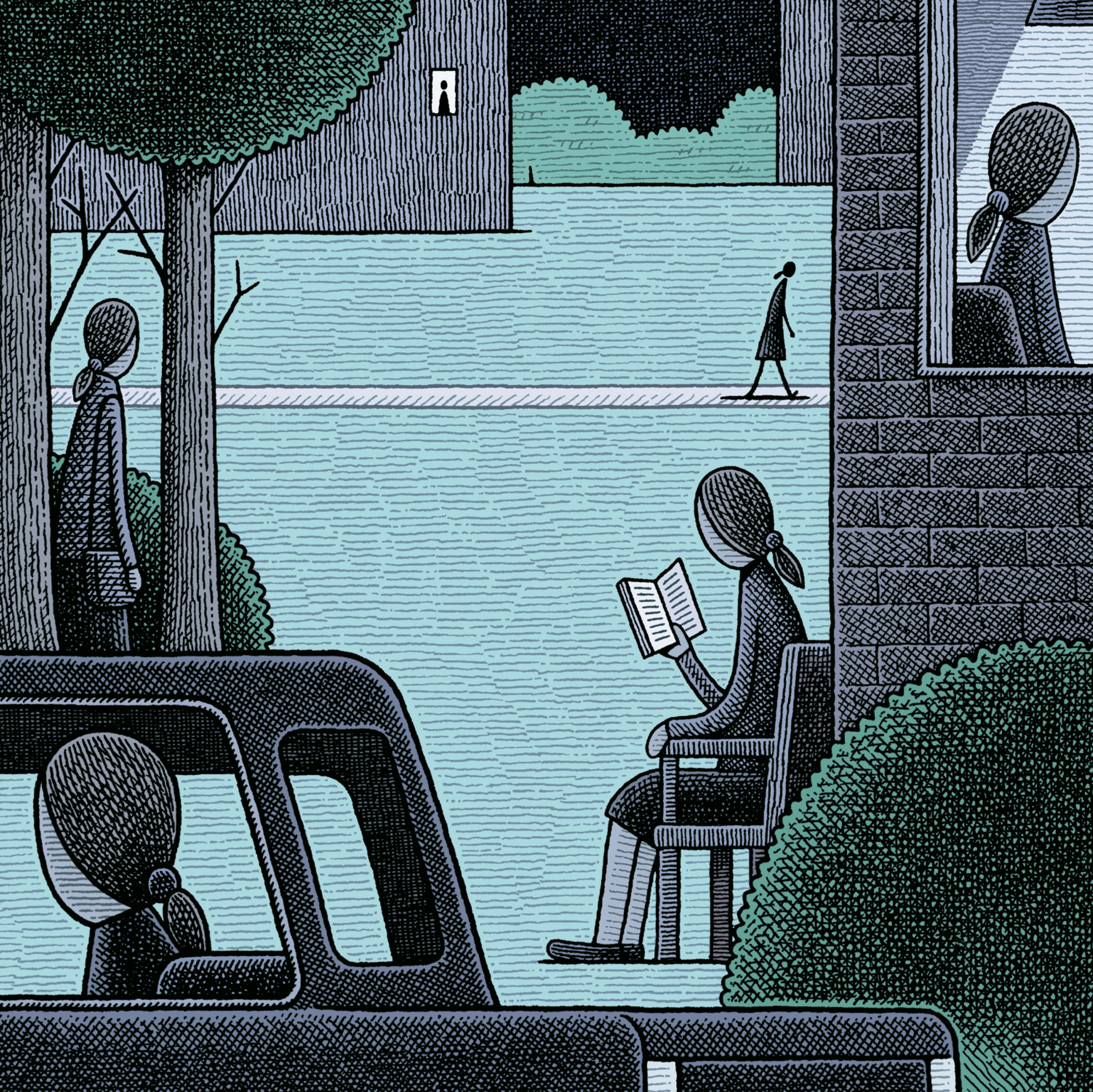
When she says, ‘we run this motha, girls’, Beyoncé may be onto something. The Young-Girl is everywhere in popular culture: there are the nostalgia-draped girls of Stranger Things, Riverdale and Twin Peaks; the pop-punk stylings of the Broad City girls; Lena Dunham’s Girls; the Gilmore duo; the never-ending parade of international bestselling books with one titular aspect in common; the virginity-obsessed Jane the Virgin and her more anxious British counterpart Tracey from Chewing Gum. Yet we can’t claim actual flesh-and-blood girls are any more likely to run the world because of this apparent ubiquity.

This is not to say that the Young-Girl is without power. If we consider ‘power’ to encompass both an individual’s capacity to act as an independent agent and their ability to influence others’ behaviour, then the Young-Girl’s power is precarious. For she is not a figure of authority; her age and gender constrain her. Yet she does have the ability to exert power through influencing others’ behaviour. The Young-Girl’s is an ambiguous, soft power. For philosopher Thorsten Botz-Bornstein, the essence of seduction is ‘strength implemented through weakness’—a notion that captures the Young-Girl’s ambivalent influence. But what is this precarious power? Who or what is its object? And what is the relationship between the idealised, figurative assemblage of the Young-Girl represented in popular culture, and the flesh-and-blood girls of our contemporary world?

Embrace Australia’s finest writers

Meanjin is open again for subscriptions! Thank you all for your patience as we’ve undertaken the transfer of the journal to its new home.

The next edition of Meanjin will be available from December 2026. Information on the purchase of single editions – in print or ePub formats – will be available closer to time.

To stay in touch with our latest news, please sign up here.

Essays

Why I Write What I Write
Gerald Murnane
The Iceberg of Translation
Tiffany Tsao
My Head is a Camera
Steve MinOn
Elizabeth Jolley: An Appreciation
Helen Garner

Search Meanjin

Most Recent Edition

Search Meanjin

Site by Madeleine Egan

  • In Print
  • Online Only
    • Latest Pieces
    • Reading Trails
    • What I’m Reading
  • Read
    • The Meanjin Papers
    • Poetry
    • Essays
    • Fiction
    • Memoir
    • The Meanjin Interviews
    • Experiments
    • State of the Nation
    • The Year In…
  • Books
    • Reviews
    • Australia in Three Books
    • What I’m Reading
  • Writers
    • Interviews
  • Buy
    • Subscribe
    • Where to buy
  • News
    • Announcements
    • Events
  • About
    • About Meanjin
    • First Peoples First
    • People
    • Editorial Advisory Panel
    • Copyright and Payment
    • Partners
    • Get Involved
    • Contact
    • Privacy
  • Search