Meanjin

The Finest New Writing in Australia

Your account

Sign in
  • In Print
  • Online Only
    • Latest Pieces
    • Reading Trails
    • What I’m Reading
  • Read
    • The Meanjin Papers
    • Poetry
    • Essays
    • Fiction
    • Memoir
    • The Meanjin Interviews
    • Experiments
    • State of the Nation
    • The Year In…
  • Books
    • Reviews
    • Australia in Three Books
    • What I’m Reading
  • Writers
    • Interviews
  • Buy
    • Subscribe
    • Where to buy
  • News
    • Announcements
    • Events
  • About
    • About Meanjin
    • First Peoples First
    • People
    • Editorial Advisory Panel
    • Copyright and Payment
    • Partners
    • Get Involved
    • Contact
    • Privacy
  • Search

The Casual Deletions

Martin Langford

Spring 2014

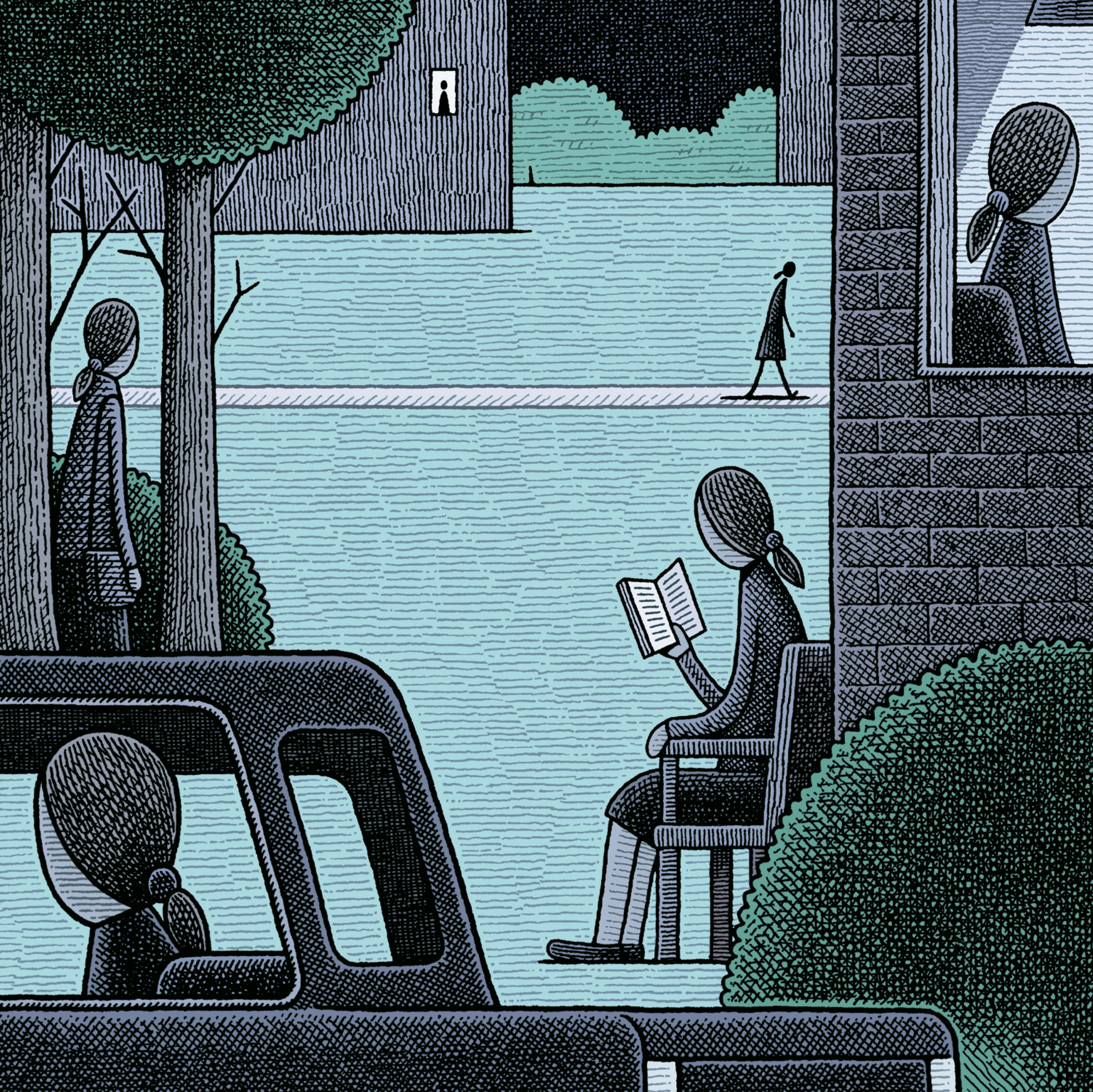
In the middle of the last century there was a brief cultural moment in which curriculum writers attempted to provide their students with surveys of the literary record. Poets and scholars had been sifting the archive like never before, and good, cheap editions were, for the first time, widely available. There was, in consequence, a generation or two that carried these surveys around in their heads: which felt that, however inadequate, and biased, the surveys were, they were loosely at home in enough of the archive to read in it for themselves, and even to challenge it, to de- and reconstruct it. Few institutions now seem able to offer such overviews. This is partly due to overcrowding in the curriculum: there is a further half-century of rich textual history, which is still being digested; room has had to be made for more recent art-forms—film and TV—as well as newer ones still. The texts, moreover, have had to be considered in the light of an ever-broader number of readings—and that takes time: sometimes, one barely arrives at the passage in question. Taken together, such things mean that often the poem or story is presented not as experience but as exemplum: neither as pleasure nor play—nor communion—but as an item in an argument. In which case, one remembers it primarily for the part it plays in the discussion—and that is rarely very memorable at all: if one retains anything, it is more likely to be the gist of the argument than the presence of the text.

With so many complicating factors, finding a way to continue to offer exposure to a large and inherently unstable body of work would be hard enough. But there is a further reason why the archive is slipping out of reach, one that is harder to pin down, and harder to deal with, for the educators. Rightly or wrongly, there is a sense abroad that the ground has shifted beneath our feet, that a critical mass of the assumptions and perspectives on which our historical texts are based is no longer shared by contemporary audiences. It is not, of course, as if the ground hasn’t always appeared to move, albeit more gradually: the perspectives of the predecessors have always had to be accommodated in the explanations of the teachers. But whereas, once, educators might have been confident that the differences could be negotiated, something about the minute scrutiny of scholarship—something, even, unforgiving and unyielding in the gaze of the contemporary reader—now makes the differences impossible to ignore, and the similarities more fugitive. We read the way Shylock is portrayed with a heightened, cautious interest, and reserve our judgement. We know that Kate, in The Taming of the Shrew, can be played subversively—actors can lead any meaning they wish—but modern audiences still have to deal with sentiments such as the following, whether or not we are persuaded she has won her battle:

Embrace Australia’s finest writers

Meanjin is open again for subscriptions! Thank you all for your patience as we’ve undertaken the transfer of the journal to its new home.

The next edition of Meanjin will be available from December 2026. Information on the purchase of single editions – in print or ePub formats – will be available closer to time.

To stay in touch with our latest news, please sign up here.

Essays

Why I Write What I Write
Gerald Murnane
The Iceberg of Translation
Tiffany Tsao
My Head is a Camera
Steve MinOn
Elizabeth Jolley: An Appreciation
Helen Garner

Search Meanjin

Most Recent Edition

Search Meanjin

Site by Madeleine Egan

  • In Print
  • Online Only
    • Latest Pieces
    • Reading Trails
    • What I’m Reading
  • Read
    • The Meanjin Papers
    • Poetry
    • Essays
    • Fiction
    • Memoir
    • The Meanjin Interviews
    • Experiments
    • State of the Nation
    • The Year In…
  • Books
    • Reviews
    • Australia in Three Books
    • What I’m Reading
  • Writers
    • Interviews
  • Buy
    • Subscribe
    • Where to buy
  • News
    • Announcements
    • Events
  • About
    • About Meanjin
    • First Peoples First
    • People
    • Editorial Advisory Panel
    • Copyright and Payment
    • Partners
    • Get Involved
    • Contact
    • Privacy
  • Search