Meanjin

The Finest New Writing in Australia

Your account

Sign in
  • In Print
  • Online Only
    • Latest Pieces
    • Reading Trails
    • What I’m Reading
  • Read
    • The Meanjin Papers
    • Poetry
    • Essays
    • Fiction
    • Memoir
    • The Meanjin Interviews
    • Experiments
    • State of the Nation
    • The Year In…
  • Books
    • Reviews
    • Australia in Three Books
    • What I’m Reading
  • Writers
    • Interviews
  • Buy
    • Subscribe
    • Where to buy
  • News
    • Announcements
    • Events
  • About
    • About Meanjin
    • First Peoples First
    • People
    • Editorial Advisory Panel
    • Copyright and Payment
    • Partners
    • Get Involved
    • Contact
    • Privacy
  • Search

A Thread

Jacqui Shelton

Spring 2021

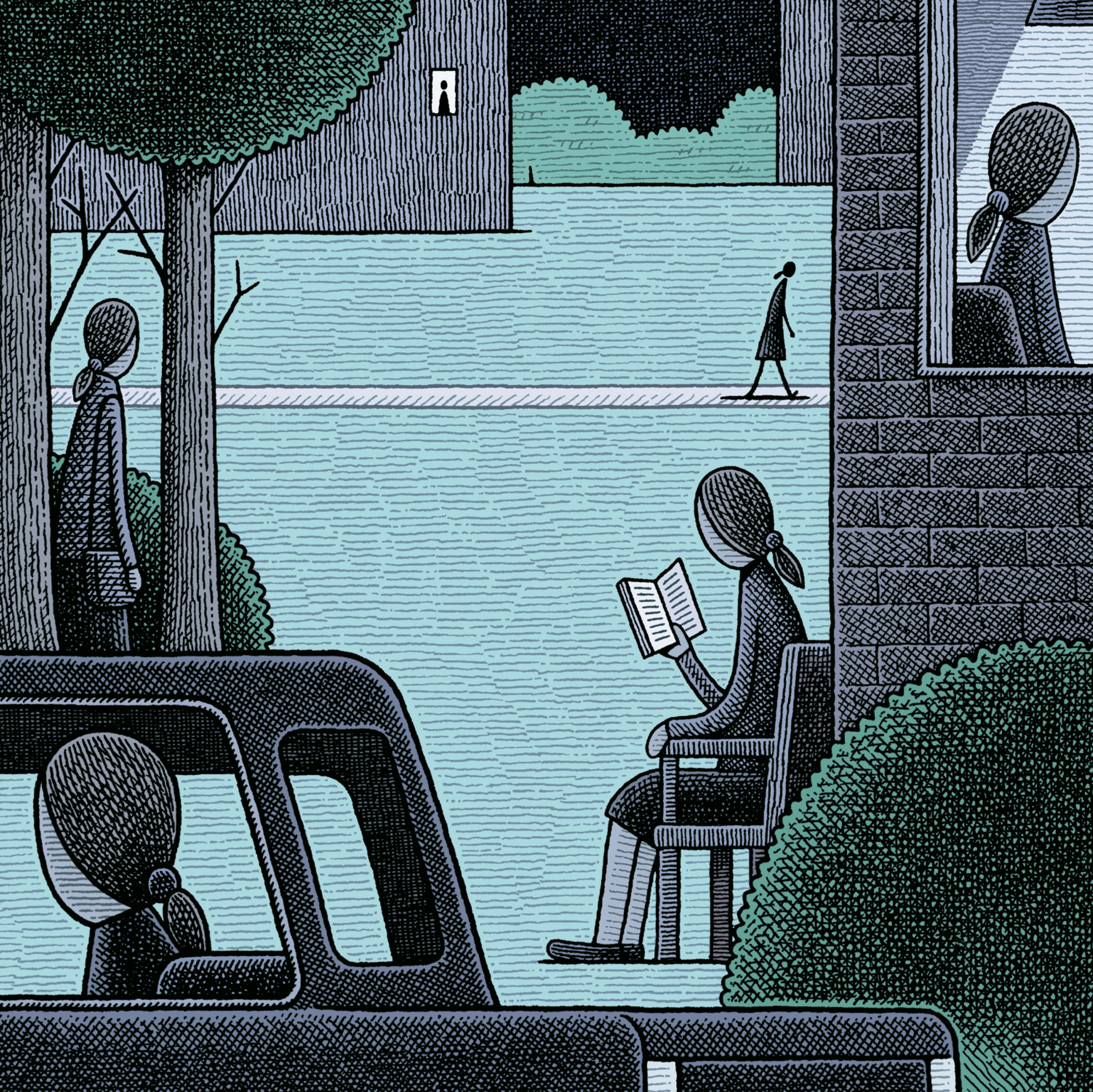
 I purchased Teju Cole’s new photo­book, Fernweh, in March 2020—it arrived as an antidote of sorts to my endlessly-at-home condition.18 I spent time with the photographs of idyllic open spaces and Swiss views; sheaths of fabric and coverings that curtain views and windows. I was transported, and I considered the potential for travel via photographs that depict other worlds. In a blog post on his publisher’s website, Cole reflects on the importance of the photobook as an artform, in that it facilitates art viewing in the private spaces of one’s house, to be returned to many times, and that time spent with a photobook works as a ‘relatively brief immersion provisionally repairs the world’.19 I have an affinity for art forms best enjoyed in solitude, over extended periods or through repeated viewings: essays, photobooks, music albums, novels, poems and long-form artwork made for web-based engagement. Not only have these easily dispersed forms of art been a way to reorient a studio practice in a period of physical isolation, they have been a brief immersion from the world. I can turn to the photographic image or written word as an escape, of sorts, from a localised containment that the pandemic presents.

Not all those contained are contained in the same conditions. In Australia, containment cannot be thought of without recognition of the many people incarcerated in prisons and youth justice centres, and a consideration that the relative freedom brought about through a photograph could remain a trite reminder of the walls around them. Containment cannot be thought of without an acknowledgement of Australia’s on- and off-shore detention of refugees and asylum seekers. If I am to think of my own experience of containment, or how a body might be contained in small spaces, and the potential for photography and poetry to offer an escape, I must acknowledge that this is perhaps

Embrace Australia’s finest writers

Meanjin is open again for subscriptions! Thank you all for your patience as we’ve undertaken the transfer of the journal to its new home.

The next edition of Meanjin will be available from December 2026. Information on the purchase of single editions – in print or ePub formats – will be available closer to time.

To stay in touch with our latest news, please sign up here.

Essays

Why I Write What I Write
Gerald Murnane
The Iceberg of Translation
Tiffany Tsao
My Head is a Camera
Steve MinOn
Elizabeth Jolley: An Appreciation
Helen Garner

Search Meanjin

Most Recent Edition

Search Meanjin

Site by Madeleine Egan

  • In Print
  • Online Only
    • Latest Pieces
    • Reading Trails
    • What I’m Reading
  • Read
    • The Meanjin Papers
    • Poetry
    • Essays
    • Fiction
    • Memoir
    • The Meanjin Interviews
    • Experiments
    • State of the Nation
    • The Year In…
  • Books
    • Reviews
    • Australia in Three Books
    • What I’m Reading
  • Writers
    • Interviews
  • Buy
    • Subscribe
    • Where to buy
  • News
    • Announcements
    • Events
  • About
    • About Meanjin
    • First Peoples First
    • People
    • Editorial Advisory Panel
    • Copyright and Payment
    • Partners
    • Get Involved
    • Contact
    • Privacy
  • Search